
-
-
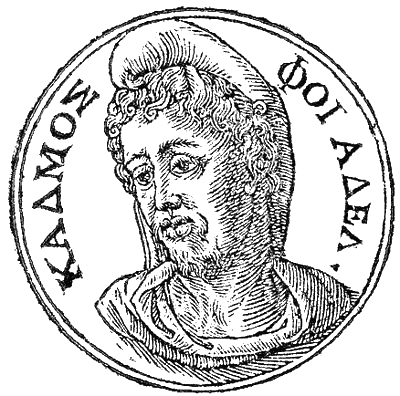
Cadmus
-
For many years Cadmus pursued his search through various countries, but without success. Not daring to return home without her, he consulted the oracle of Apollo at Delphi; and the reply was that he must desist from his task, and take upon himself a new duty, i.e. that of founding a city, the site of which would be indicated to him by a heifer which had never borne the yoke, and which would lie down on the spot whereon the city was to be built.
- continue reading
-
Main
Articles
(Decorative: Logomark Ostentationem)

-
-
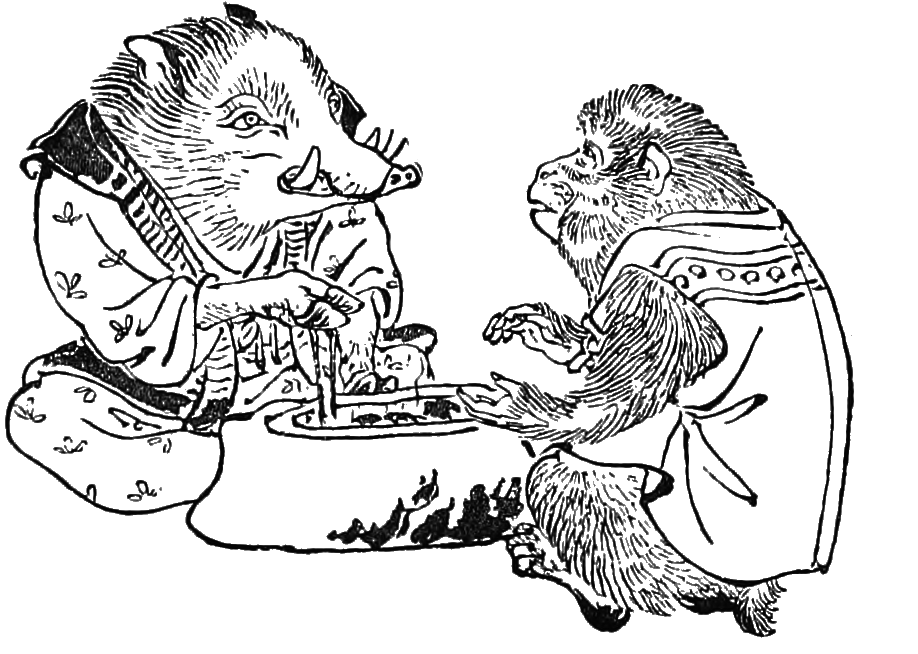
The Sagacious Monkey and The Boar
-
Long, long ago, there lived in the province of Shinshin in Japan, a traveling monkey-man, who earned his living by taking round a monkey and showing off the animal’s tricks. One evening the man came home in a very bad temper and told his wife to send for the butcher the next morning. The wife was very bewildered and asked her husband: “Why do you wish me to send for the butcher?”
- continue reading
-
-
-
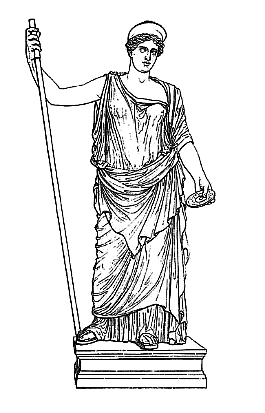
Juno
-
Juno (Hera, Here), queen of heaven, and goddess of the atmosphere and of marriage, was the daughter of Cronus and Rhea, and consequently the sister of Jupiter; but, as soon as the latter had dethroned his parents and seized the scepter, he began to look about him for a suitable helpmate.
- continue reading
-
-
-
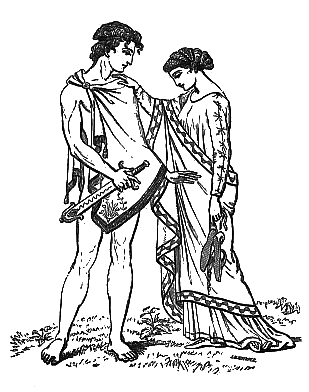
How Theseus Lifted The Stone
-
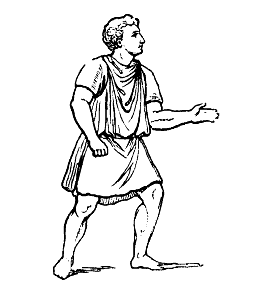
Once upon a time there was a princess in Trœzene, Aithra, the daughter of Pittheus the king. She had one fair son, named Theseus, the bravest lad in all the land; and Aithra never smiled but when she looked at him, for her husband had forgotten her, and lived far away. And she used to go up to the mountain above Troezene, to the temple of Poseidon and sit there all day looking out across the bay, over Methana, to the purple peaks of Ægina and the Attic shore beyond.
- continue reading
-
-
-
Paperarello
-
Once upon a time there lived a king and a queen who had one son. The king loved the boy very much, but the queen, who was a wicked woman, hated the sight of him; and this was the more unlucky for, when he was twelve years old, his father died, and he was left alone in the world.
- continue reading
-
-
-
Bellerophon
-
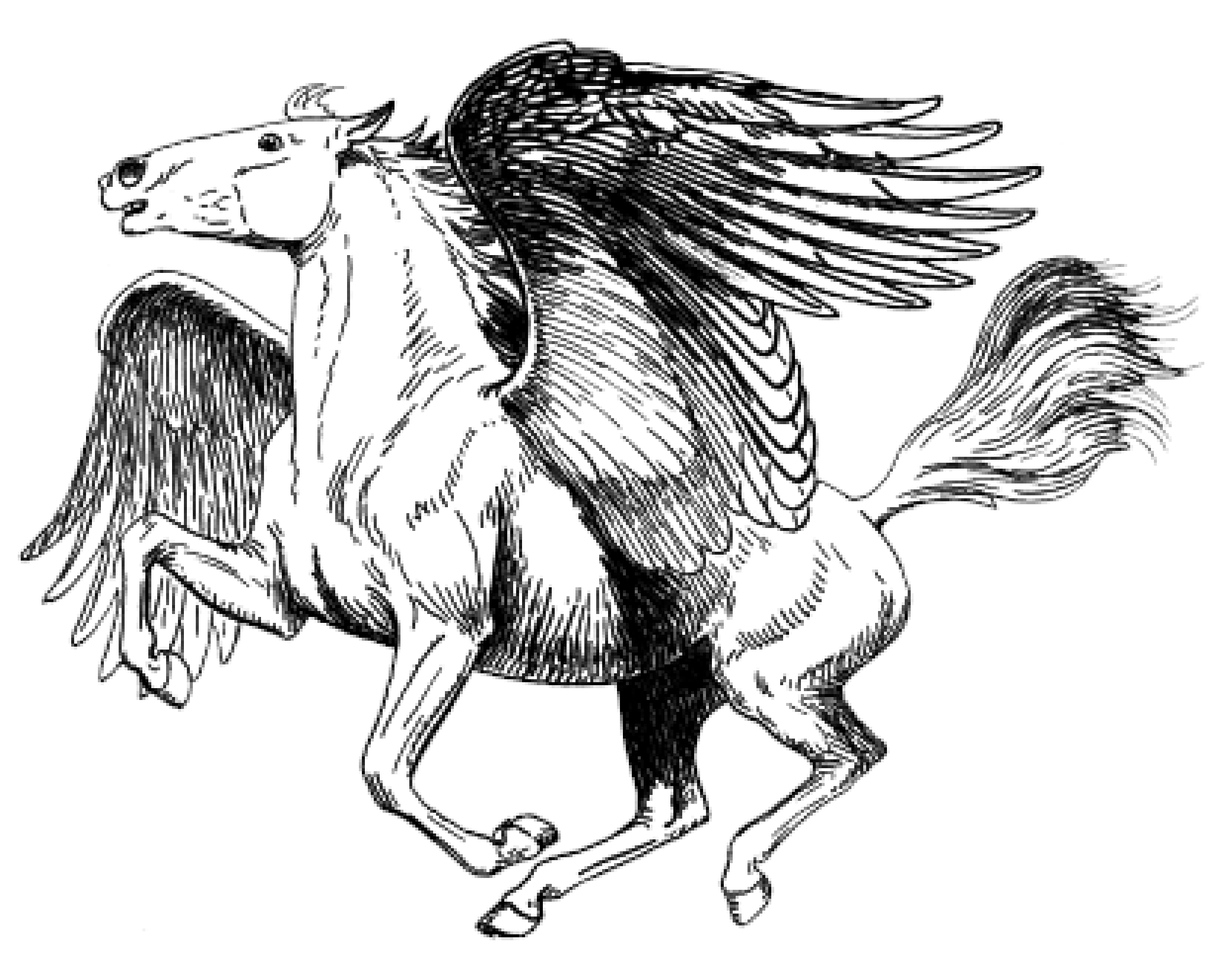
Bellerophon, a brave young prince, the grandson of Sisyphus, King of Corinth, had the great misfortune to kill his own brother while hunting in the forest. His grief was, of course, intense; and the horror he felt for the place where the catastrophe had occurred, added to his fear lest he should incur judicial punishment for his involuntary crime, made him flee to the court of Argos, where he took refuge with Prœtus, the king, who was also his kinsman.
- continue reading
-
-
-
The Jackal and The Alligator
-
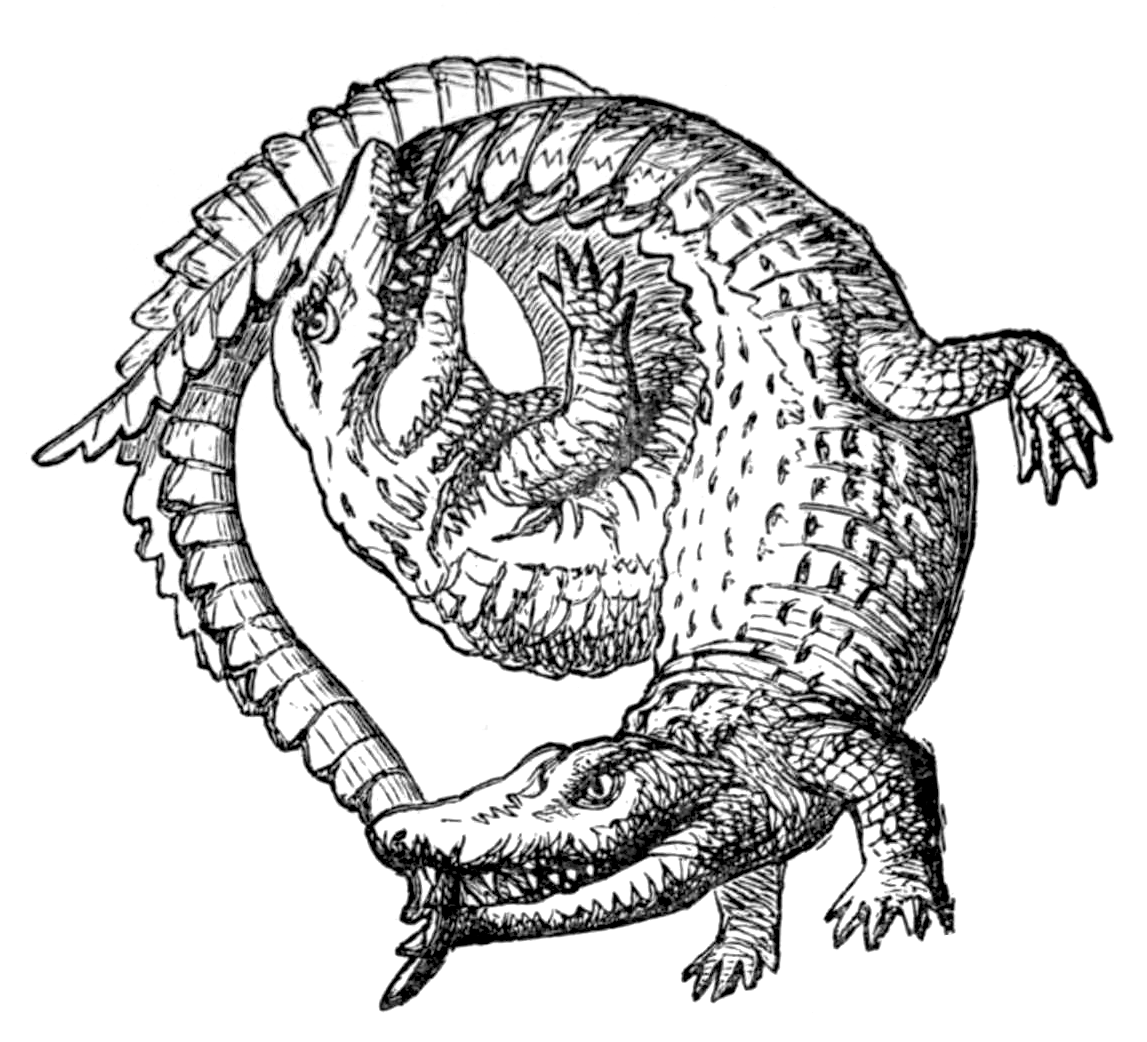
There was once a little jackal who lived near the banks of a great river. Every day he went down to the water to catch the little crabs that were there. Now in that same river there lived a cruel alligator. He saw the little jackal come down to the river every day, and he thought to himself, “What a nice, tender morsel this little jackal would be if I could only catch him.
- continue reading
-
-
-
Niobe
-
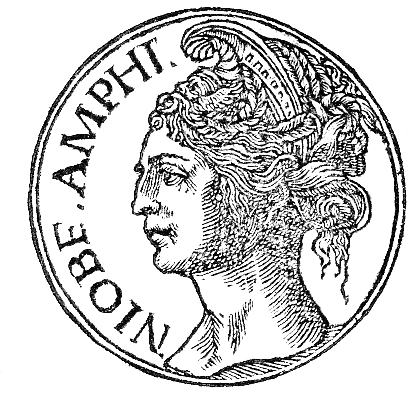
But amongst the Immortals there was also a mother with children whom she counted as peerless. Latona, mother of Apollo and Diana, was magnificently certain that in all time, nor in eternity to come, could there be a son and daughter so perfect in beauty, in wisdom, and in power as the two that were her own. Loudly did she proclaim her proud belief, and when Niobe heard it she laughed in scorn.
- continue reading
-
-
-
The Talkative Tortoise
-
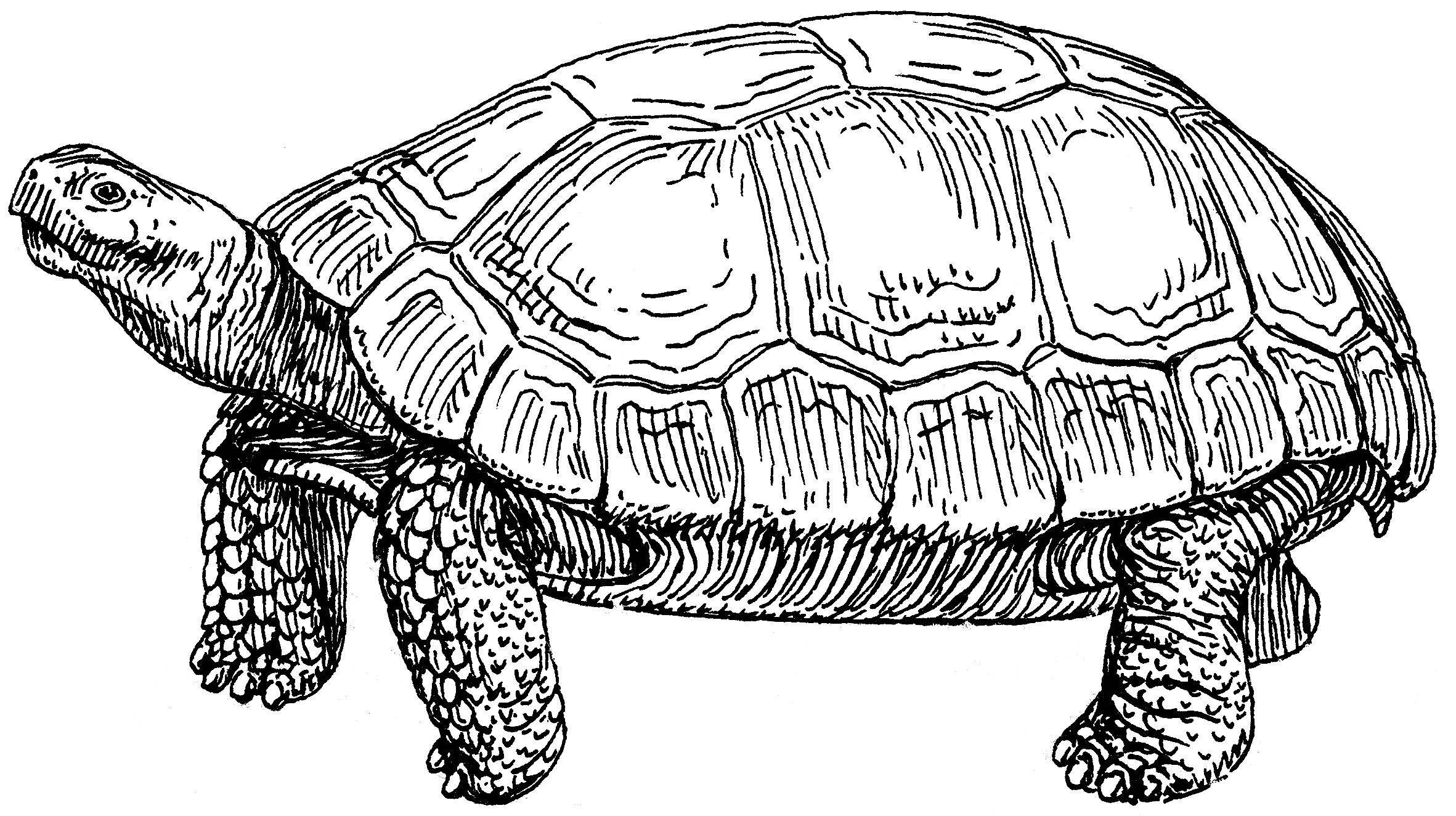
The future Buddha was once born in a minister’s family, when Brahma-datta was reigning in Benares; and when he grew up, he became the king’s adviser in things temporal and spiritual. Now this king was very talkative; while he was speaking, others had no opportunity for a word. And the future Buddha, wanting to cure this talkativeness of his, was constantly seeking for some means of doing so.
- continue reading
-
-
-
The Adventures of Democedes
-
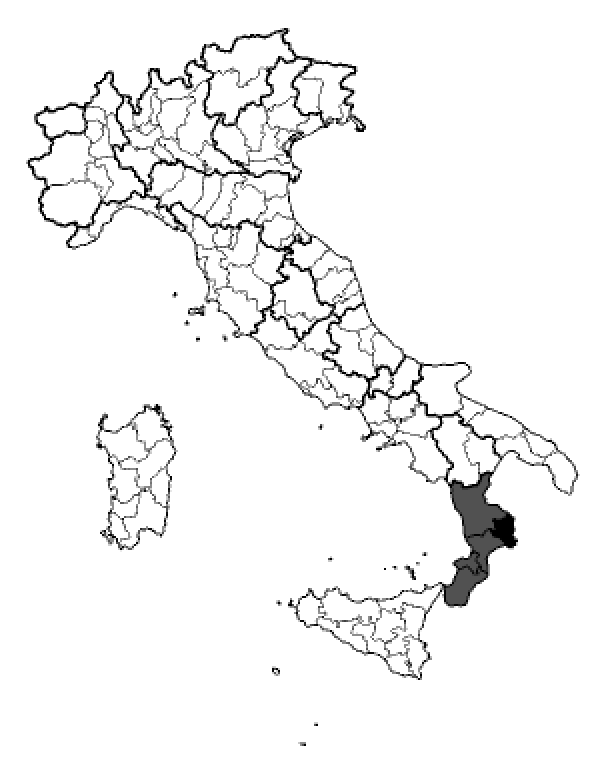
When Pythagoras, the celebrated Greek philosopher, settled in the ancient Italian city of Crotona (between 550 and 520 b.c.) there was living in that town a youthful surgeon who was destined to have a remarkable history. Democedes by name, the son of a Crotonian named Calliphon, he strongly inclined while still a mere boy to the study of medicine and surgery, for which arts that city had then a reputation higher than any part of Greece.
- continue reading
-
-
-
Conkiajgharuna
-
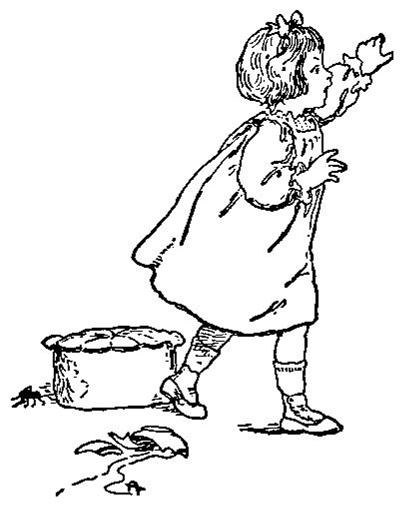
There was and there was not, there was a miserable peasant. He had a wife and a little daughter. So poor was this peasant that his daughter was called Conkiajgharuna (the little girl in rags). Some time passed, and his wife died. He was unhappy before, but now a greater misfortune had befallen him. He grieved and grieved, and at last he said to himself: ‘I will go and take another wife; she will mind the house, and tend my orphan child.’
- continue reading
-